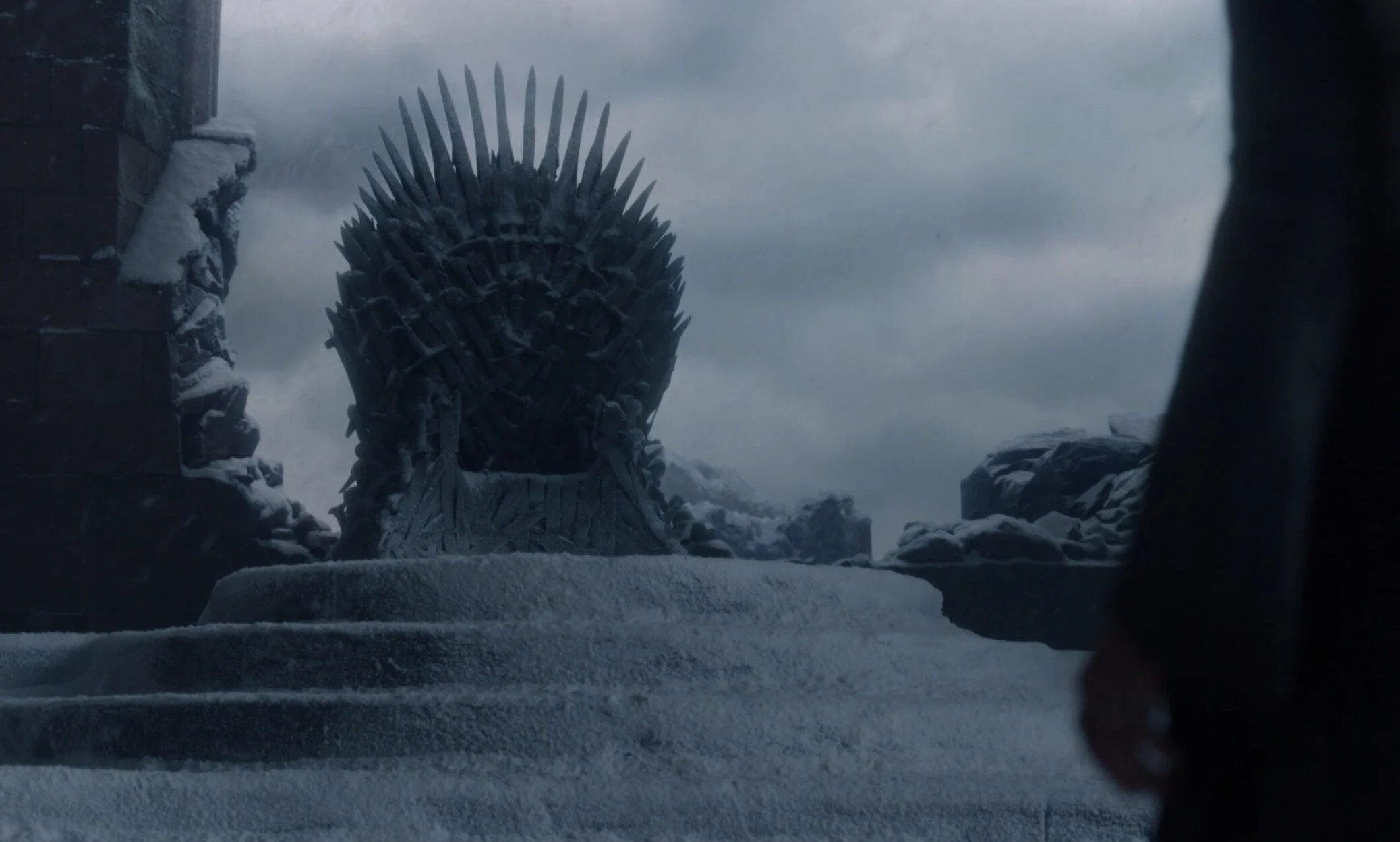
In the UK, Game of Thrones was not just watched. It was processed collectively. Monday morning meant avoiding spoilers, then immediately talking about the episode with anyone else who had stayed up or watched before work. By the end, that ritual had curdled into a weekly inquest.
Game of Thrones was the best show on television. Then it wasn't.
The collapse didn't happen overnight. It was a slow erosion, one season at a time, until season eight arrived and made it impossible to pretend everything was fine. The final season wasn't just bad television. It was a betrayal of everything the show had built across eight years.
The Years That Worked
The first four seasons were close to perfect. David Benioff and D.B. Weiss had George R.R. Martin's novels to adapt, and the source material showed in every scene. The dialogue was sharp. The characters made choices that felt psychologically real. People died when their arcs demanded it, not when spectacle required it.
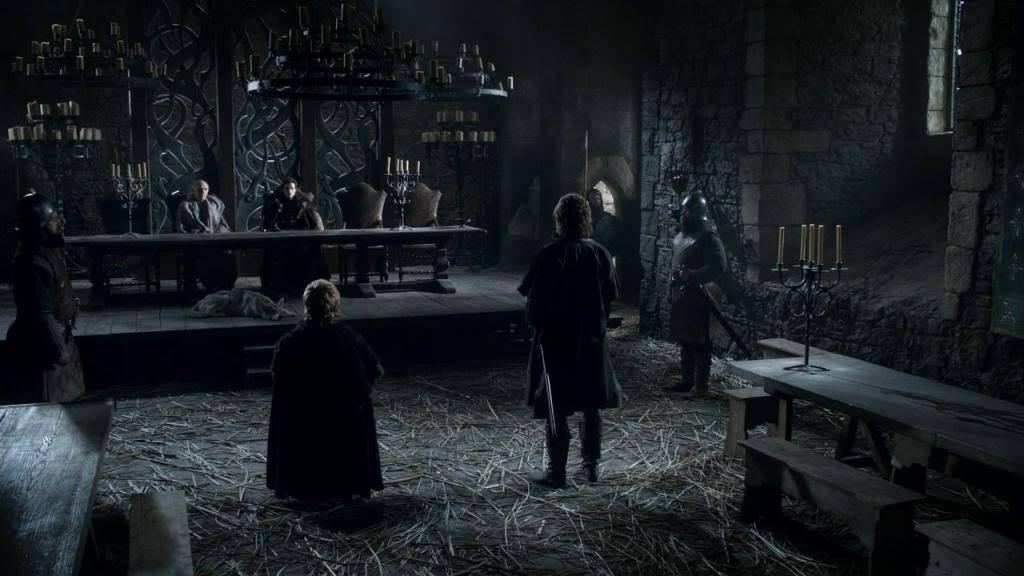
Ned Stark's execution in season one wasn't shocking for shock's sake. It was the show establishing its fundamental rule. Nobody is safe. The world does not reward honour. The Red Wedding in season three didn't just kill Robb Stark. It destroyed the idea that the story was heading somewhere comfortable.
Season four was the peak. The Purple Wedding, Tyrion's trial, the duel between Oberyn Martell and Gregor Clegane. The show was at its most disciplined and most committed to consequence. These weren't just memorable scenes. They were produced by a show that trusted the intelligence of its characters and its audience in equal measure. Every major decision felt earned because the characters had been built to make exactly that decision, and no other.
The First Cracks
The cracks began to show in season five. That was the first season to move meaningfully beyond Martin's published books, and the difference was visible almost immediately. The Dorne storyline, handled in the novels with political complexity across hundreds of pages, was stripped to a series of confrontations that went nowhere.
More tellingly, Stannis Baratheon's arc collapsed. For four seasons the show had built him as a man defined by duty above sentiment. A leader who understood that doing what had to be done was different from doing what he wanted. Then he burned his daughter Shireen alive to appease the Red God. It was framed as fanaticism finally consuming a man beyond saving. It felt, instead, like the show overriding everything it knew about a character to generate a shock it needed before disposing of him. The difference between those two things is everything. Season five was where that gap first opened.
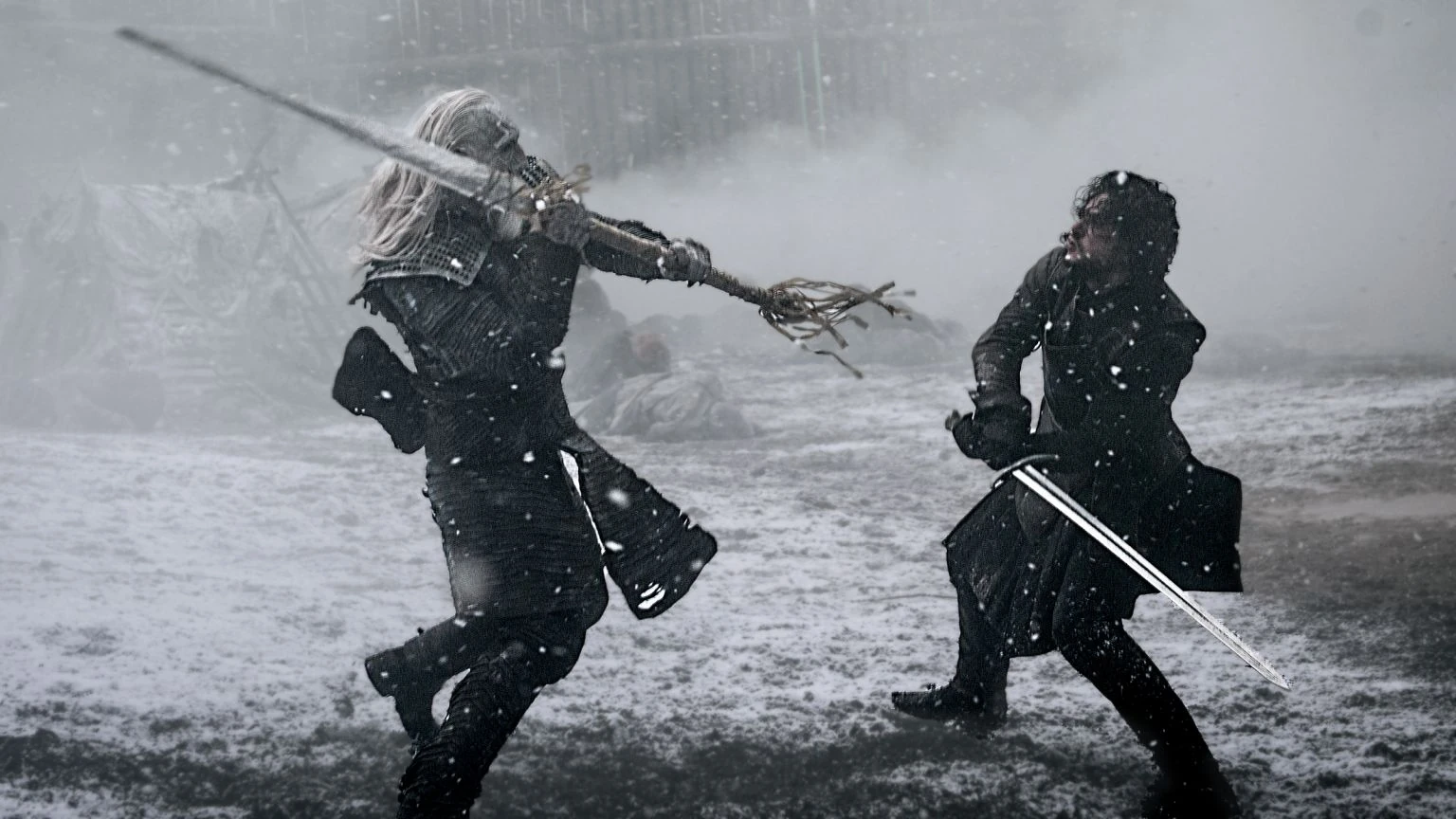
And yet season five also produced Hardhome, still one of the great set pieces in television history. It worked precisely because of character stakes. Jon Snow, surrounded by the consequences of his decisions, watching the Night King raise the dead he had just failed to save. The show hadn't forgotten how to do this. It was doing it less reliably. The gaps were starting to show.
The Complicated Middle
Season six makes the most complicated case. It contains both the clearest early indicator of where things were heading and the finest hour the show ever produced.
Battle of the Bastards required the audience to accept that Jon Snow, just resurrected and understanding the cost of failure better than anyone alive, would charge alone into enemy cavalry in a fit of grief. The shot looked extraordinary. The decision made no psychological sense.
Two episodes later came The Winds of Winter, the season six finale. Still arguably the single greatest episode the show produced. The sequence in the Great Sept of Baelor, scored to Ramin Djawadi's Light of the Seven, is patient, precise, devastating, and entirely earned by everything across six years that preceded it. If the show had ended there, the legacy conversation would be very different.
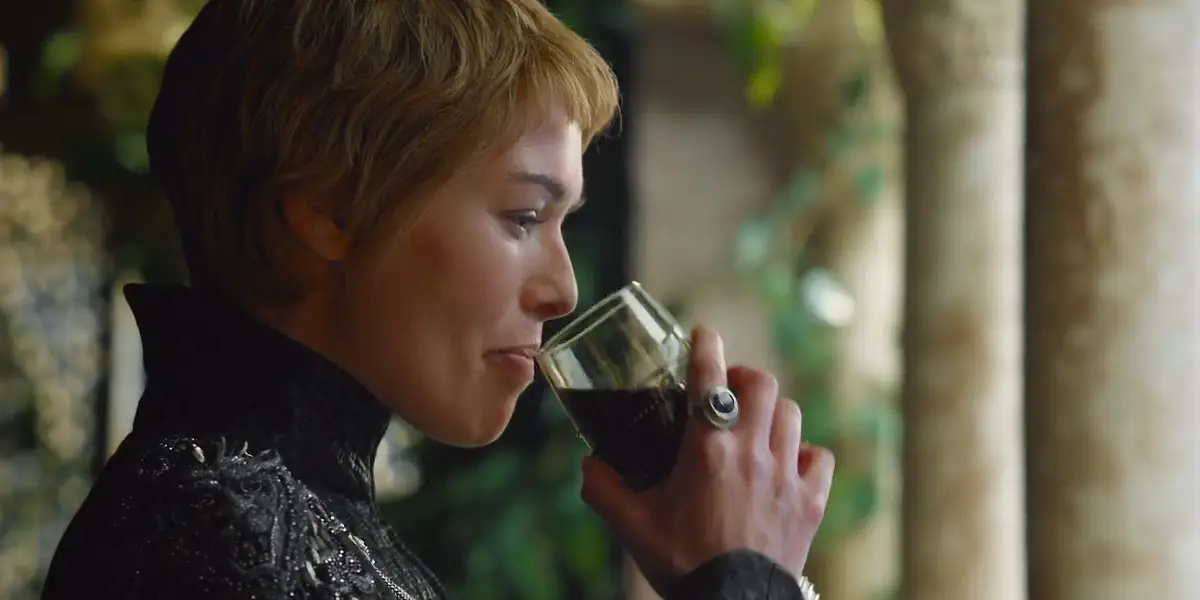
Once the show learned it could make an image powerful enough to feel like it had been earned, it started substituting the image for the work.
Where It All Fell Apart
Season seven was where the writing abandoned plausibility entirely. Characters moved across Westeros at whatever speed the plot required. The raven that reached Daenerys in time to save Jon's expedition beyond the Wall, flying from Eastwatch-by-the-Sea to Dragonstone while the group stood motionless on a frozen rock. That remains the most egregious single example. But it was symptomatic of a show that had stopped caring whether its internal logic held, as long as the next scene could arrive.
The real problem is always the same. Martin hasn't finished the books. Benioff and Weiss ran out of source material and had to improvise. That is the honest answer.
They are talented producers and skilled visual storytellers. The technical quality of the show never declined. They are not George R.R. Martin. The political complexity, the moral weight of the decisions, the sense that the world had its own deep history stretching in all directions. That came from his work. Without it, they were constructing the architecture without understanding the foundations it rested on.
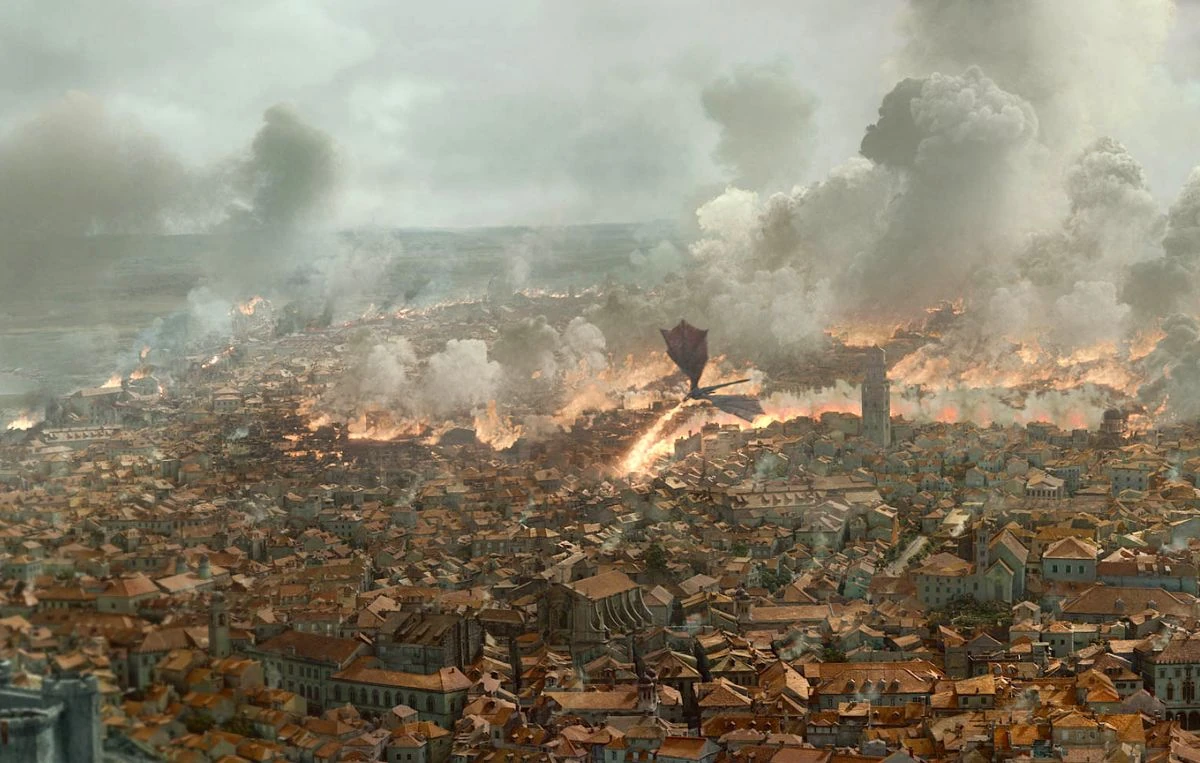
Season eight arrived promising resolution and delivered spectacle without meaning. Daenerys burning King's Landing might have worked. The show had eight seasons of material that could have built toward that darkness. Her grief. Her isolation. Her history of catastrophic overreach when threatened. Instead it happened across two episodes, with no gradual unravelling, no earned tragedy. Just a character switch flipped because the plot needed to reach its conclusion.
The groundwork existed. The show skipped the final act of it and went straight to the image.
What Failed
The Night King presented a different kind of failure. Eight seasons of mythology. The Wall, the Long Night, the existential threat from beyond the world's edge. The resolution was Arya Stark appearing from the dark in episode three of the final season to deliver a single knife strike.
The standard defence is that this was deliberate subversion. Death comes from where you least expect it. The show was always sceptical of conventional fantasy heroism. But that argument misunderstands what subversion requires. For a reversal to work, the thing being reversed has to have been genuinely constructed. The Night King had no dialogue. No revealed motivation. No scene establishing what he actually wanted beyond abstract destruction.
The show had spent eight years loading him with symbolic weight it had no plan to pay off. You cannot subvert something you never properly built. The Night King wasn't subverted. He was shelved.
Jaime Lannister's arc is the clearest symbol of everything that went wrong with the characters the show did develop. Seven seasons of complex, painful redemption. Watching a man confront who he was and try, slowly, to become something better. The Kingslayer title recontextualised. The relationship with Brienne built across years of shared difficulty. His estrangement from Cersei and everything she represented.
All of it abandoned in the final episodes so he could crawl back to King's Landing and die next to his sister in the rubble.
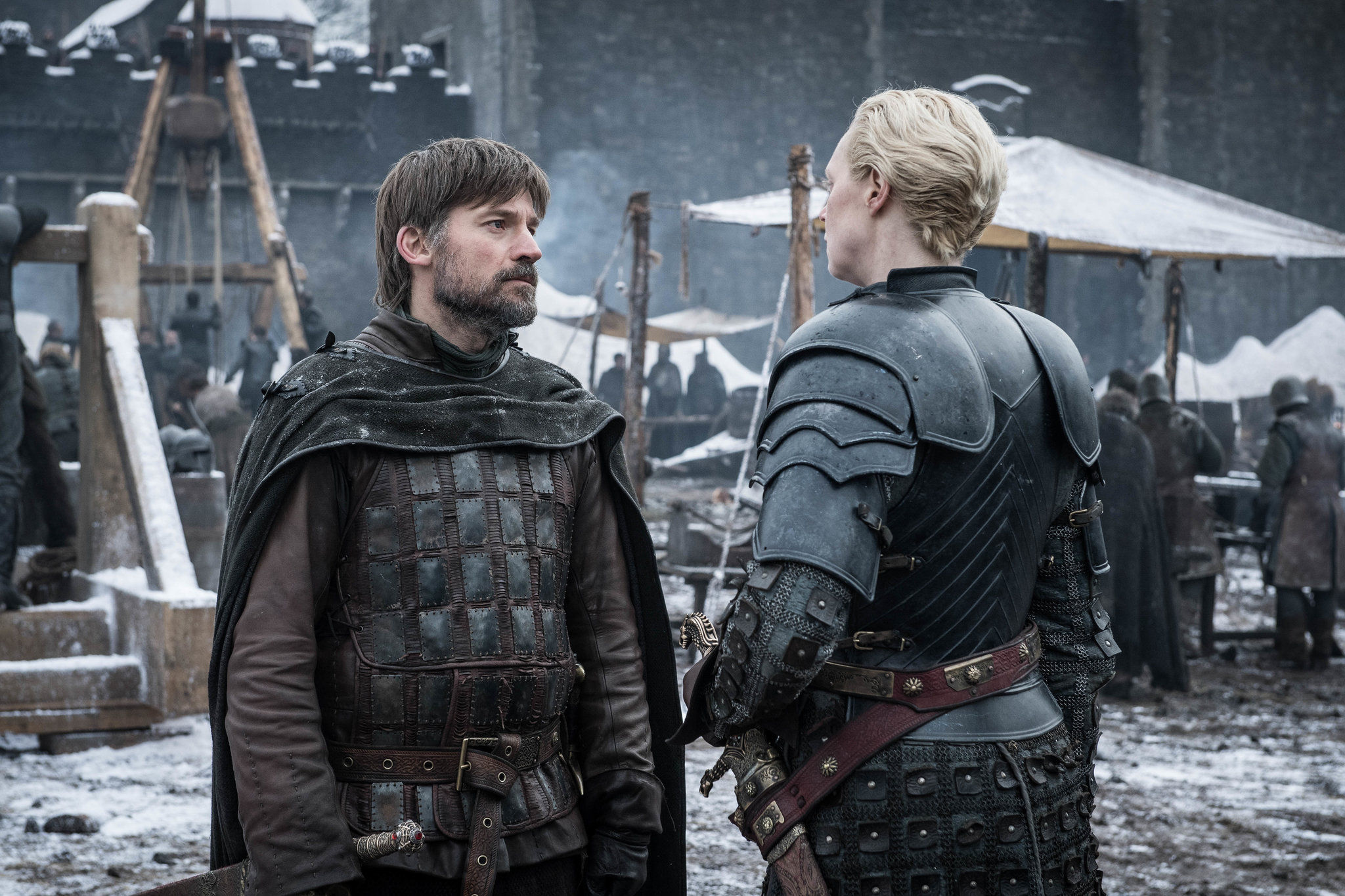
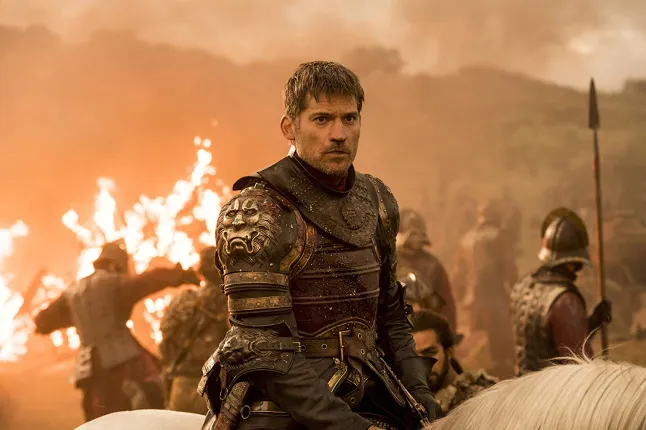
The show treated its own most carefully built character arc as an inconvenience on the way to the finale.
What's Left
What makes the collapse so painful is the scale of what was lost. Game of Thrones at its peak was doing something television had not done before. It treated adult political drama with the production scale of a blockbuster film. It had patience. It understood that character and plot are not separate concerns. The most powerful story moves only land because of who these specific people are, and no one else.
The ending doesn't erase what came before. Nothing can. But it does reframe it. Every investment you made in these characters ended in a finale that hadn't done the work to earn its conclusions. The political complexity that defined the show's best years resolved into a council scene partly played for laughs. Eight seasons of Daenerys wanting to break the wheel ended with the wheel spinning in a slightly different direction. Bran Stark became king because, as the show put it, he had good stories.
Most shows that run long enough disappoint eventually. The difference with Game of Thrones is that it didn't simply fade or run out of ideas quietly. It collapsed, structurally and suddenly, in full public view, after a decade of being the most discussed piece of television on the planet. The Monday morning conversation didn't stop. It just became a different kind of conversation.
The show didn't run out of story. It ran out of patience for the work that story required.